

The Rise of AI Game Clones Is Changing How Indie Studios Market Before Launch
By Ash Hodgetts — Founder, vMarketer

For indie developers, sharing work in progress has always involved a trade-off. A striking gameplay clip can introduce a game to thousands of potential players, attract creators and start building a community long before launch. It can also show competitors exactly which idea is gaining attention. Generative AI and AI-assisted coding tools are making that second risk harder to ignore.
This does not mean every game idea will be stolen, or that studios should stop showing their games. Copycat titles existed long before today's AI tools. What is changing is the speed with which somebody can imitate a visible concept, publish a rough version and potentially compete for the same audience while the original team is still developing its game.
A Viral Prototype and Copycats Within Days
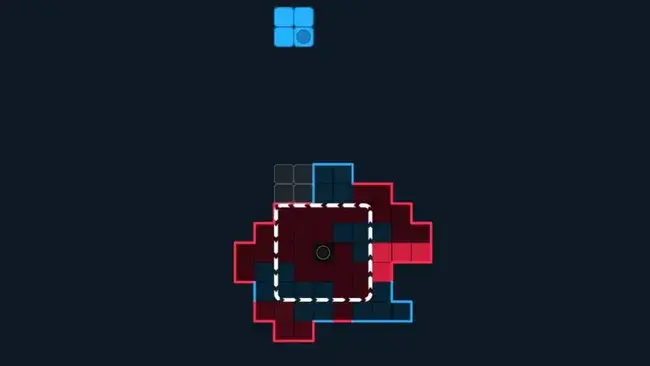
In March 2026, game developer and technical artist Freya Holmér posted a short clip of a falling-block puzzle prototype built around a rotating board. The concept was immediately understandable and attracted a strong response from players. According to reporting by 404 Media, versions made with AI-assisted coding tools appeared within days of the post, including a project called Rotris and other lookalikes. Holmér described how the experience made her more anxious about sharing early work publicly.
The copies did not necessarily reproduce the polish, animation or considered design behind her prototype. That is an important distinction: quickly imitating a visible mechanic is not the same as developing a finished game with depth, balance and production quality. But a rough copy may still confuse players, occupy search results or reach a storefront first. For a small studio, even the prospect of that happening can affect when and how it markets a game.
Developers Are Already Changing Their Release Plans
On 16 October 2026, publisher and co-developer Alliance Arts announced that it had cancelled the planned public demo for Drunken Goddess Reflux, originally due on 19 October, and would hold limited closed play sessions instead. Alliance Arts said it could not adequately enforce planned restrictions on gameplay videos and was concerned that AI-assisted imitators might reproduce the game's presentation or mechanics before release. This was a precautionary decision, not evidence that a clone had already been released.
That decision illustrates a difficult commercial trade-off. Demos, festivals and public development updates can provide valuable player feedback, press attention, creator interest and pre-launch demand. Withholding them may reduce the material available to imitators, but it also reduces opportunities for players to discover a game and for the team to learn which aspects genuinely resonate.
Why AI-Assisted Cloning Is a Marketing Problem
Game marketing relies on showing people why a title is worth their attention. Developers reveal visual hooks, novel mechanics and distinctive moments precisely because those are the things players respond to. A compelling clip can be understood and shared in seconds. The same clarity can also make the concept easier to imitate.
A fast-moving copycat creates several potential problems. Players may encounter the imitation before the original, have trouble distinguishing the games or assume that the first version they see is the creator of the concept. Press coverage and search interest can become fragmented across similar titles. A studio may also feel pressure to rush its own release, compromising the quality that would otherwise differentiate its game.
These outcomes are possible risks, not automatic consequences of posting
development footage. Nor is every game with similar mechanics an unlawful clone. Genres and shared design conventions evolve through iteration, and the line between inspiration, imitation and infringement depends on the specific material involved.
Why Staying Silent Is Not a Reliable Solution

For many independent studios, the greater commercial danger remains being unknown. Without early visibility, a studio has less opportunity to validate its positioning, build wishlists, recruit testers, reach creators or understand whether potential customers want the game. Waiting until launch to explain what the game is can leave very little time to respond if its marketing message or intended audience is wrong.
The better question is not whether to market the game before release, but what to reveal, when to reveal it and what the studio expects to learn or achieve from that exposure. A public prototype video, a controlled playtest and a polished launch trailer do not need to show the same amount of information. Each should have a clear audience and commercial purpose.
How Indie Studios Can Reduce Their Exposure
Build Recognition Around More Than One Mechanic
A strong game identity is harder to confuse with an isolated copy of its most shareable feature. Consistent naming, art direction, character, tone, developer identity and community relationships give players reasons to recognise the original project. A distinctive Steam page and a clear development history can help audiences connect the idea with the team creating it. None of this prevents cloning, but it builds value beyond a single viral mechanic.
Reveal the Experience Without Giving Away Everything
Early marketing should communicate what makes a game appealing, not document every underlying system or future surprise. A carefully selected gameplay sequence can demonstrate tension, progression or player choice while leaving some combinations, late-game content and technical detail unrevealed. This is not about misleading prospective players; creative must still represent the real game. It is about choosing an appropriate level of disclosure for each development stage.
Use Staged Testing When the Game Needs Feedback
Testing does not have to mean publishing a build to everyone. Steam Playtest supports limited access and invitations in batches, giving studios a way to gather feedback while controlling the scale of distribution. Closed tests, creator previews and public festival demos can be sequenced around the maturity of the build and the marketing objectives. Access controls can reduce broad exposure, but they cannot guarantee that footage or information will not be shared.
Keep Records and Understand What Intellectual Property Protects
Maintain dated source files, design documents, original artwork, builds and evidence of public announcements. Clear ownership records and appropriate agreements with contractors can be useful if disputes arise. But developers should not assume that copyright gives exclusive control over an idea or game mechanic. As IP Australia explains, copyright protects the original expression of ideas, including software code, but not the underlying ideas or methods themselves. Protection of particular artwork, code, branding or other material depends on the facts and jurisdiction; studios facing a suspected infringement should seek qualified legal advice.
Monitor Copycats Without Letting Them Control the Roadmap
Teams should periodically check relevant stores, search results and social channels for confusingly similar listings, particularly following a major viral post or demo. If a genuine issue appears, document it and use the applicable platform or legal reporting process where appropriate. A competing title should not automatically dictate an early release or wholesale redesign. The original studio still needs to deliver the stronger player experience it set out to create.
Turn Imitation into a Marketing Opportunity
Studios do not always need to respond to copycat anxiety by going silent. Depending on the game and its audience, a little humour, carefully timed mystery and a recognisable identity can be more effective than a defensive announcement. If the brand has a playful personality, a developer might tease an unrevealed feature with a deliberately oversized censorship bar and a line such as “SECRET — HIDDEN FROM AI”. The creative makes the risk part of the joke while giving players something to anticipate. It is a marketing device, though, not a technical safeguard against copying.
A recent example comes from Studio Bitdot’s Needle In A Haystack Simulator. After a short video of the absurdly simple premise, finding a needle among millions of pieces of hay, went viral in August 2026, similarly named games began appearing on Steam before the original was released. That created a new problem: interested players had to work out which game was the one they had seen. The original team responded by adding an “Original” identifier to its Steam artwork and openly pointing supporters to its official page.

Then, on 27 October, developer Nas Nakarus showed off a joke mode called “Find the Original Game”. Instead of searching through hay, the player searched through a pile of game cases labelled as clones to identify the original. The short demonstration made the problem instantly understandable, but also turned it into entertainment that players could share. It was presented as a joke demonstration; its inclusion in the final game was not confirmed at the time of reporting. And while the wider story involved rapid imitation, it should not be assumed that every competing haystack title was made using AI.
There is a useful marketing lesson here. A studio cannot necessarily stop another developer from imitating a visible concept, but it can help players recognise the original team, understand what makes its version special and feel part of its story. In this case, the humour matched the game’s deliberately ridiculous premise. A serious horror game or narrative RPG might use a different tone: distorted footage, an in-universe classified file, a mysterious character reveal or a countdown to a feature that has not yet been shown.
The important balance is to hide a surprise, not the reason to buy the game. A teaser still needs to communicate the genre, the intended experience and enough real gameplay to build confidence. Redacted screenshots, “classified until launch” labels or cryptic developer messages can make a reveal more memorable when there is something substantial behind them. Without that substance, mystery becomes frustration. These tactics can also backfire if the studio suggests the hidden feature is impossible to copy or uses secrecy to disguise a weak or unfinished product.
There is another side to the haystack story. Games-marketing specialist Chris Zukowski analysed the competing Steam games and found that the situation was more complicated than the original simply losing to clones. Playable demos, creator discovery and sustained audience interest helped determine which versions gained traction. Some rushed releases struggled, while a competing demo attracted significant attention. The implication is not to abandon early marketing; it is to plan more carefully when a compelling game should become publicly playable, so that the studio can capitalise on interest instead of leaving a long gap between a viral reveal and a player experience.
For studios developing a particularly easy-to-imitate hook, I would consider a staged reveal: establish the game's identity and core appeal first, hold back one genuinely surprising feature, test the build with an appropriate audience, and reveal that feature when the team can follow through with a demo, creator coverage or launch activity. Make the audience curious, but give them a clear path to the official game. Used thoughtfully, humour and mystery can help distinguish the original without allowing fear of copycats to dictate the entire marketing strategy.
Marketing and Development Need a Shared Disclosure Strategy
The rise of AI-assisted clones adds another reason for marketing to be involved early in development. Production teams understand which mechanics are unfinished, sensitive or central to the game's differentiation. Marketers understand what the audience needs to see, how competing games are positioned and how long it takes to build meaningful demand. The strongest approach balances both perspectives.
Studios can plan a sequence of announcements, selective gameplay reveals, audience testing and demos rather than treating every new feature as something that must immediately be posted online. They can decide which parts of the game should be publicly understandable now, which need more development and which are better revealed closer to launch. That approach protects flexibility without abandoning the early community-building on which many indie launches depend.
There is no risk-free formula. Share too little and potential customers may never discover the game. Share too much, too early and the team may expose ideas before it has the resources, brand recognition or finished product to capitalise on them. The objective is informed disclosure, not secrecy for its own sake.
A More Competitive Era Requires Better Game Positioning
The response to faster copycats should not be to stop marketing. It should be to build a more defensible game proposition: understand the audience, communicate the experience accurately, create a recognisable identity, gather meaningful feedback and use development time to deliver the quality that a rushed imitation may lack.
At vMarketer, we see pre-launch marketing as something that must work with production rather than run independently from it. Our Indie Games Marketing Strategy explores how early audience research, positioning and development decisions contribute to a stronger commercial launch.
Ash

